Augmented reality (AR) systems combine the real world with the virtual world. AR overlays virtual objects into the real-world environment. At a pedagogical level, AR engages students on a deeper level with tasks and concepts which essentially creates long-lasting connections and knowledge. AR creates authentic learning experiences and combined real-world experiences into the classroom. AR encourages injury-based learning and can be integrated across a wide variety of subjects and content. Using AR in schools helps students visualise unobservable phenomena, such as the spinning of the earth, manipulate virtual objects, and observe phenomena that may not be simply visualised in a natural environment (Southgate, 2018).
How can AR be used in the classroom?
Augmented reality amplifies learning by allowing students to visualize virtual objects, complex relationships, and abstract concepts. An AR system that can be implemented into the classroom is the app SkyView. SkyView utilizes AR through the camera on a mobile or tablet device. SkyView then creates an immersive and interactive world of stars, planets, and space stations floating in space, to engage and stimulate students. SkyView allows students to move their mobile/tablet device around the room as if they were looking around in space. Students can investigate the objects they come across by tapping on them and an information page appears. SkyView supports students learning in Science as students can explore the solar system, understand and visualise scale and size, and is a useful research tool with detailed information and facts.
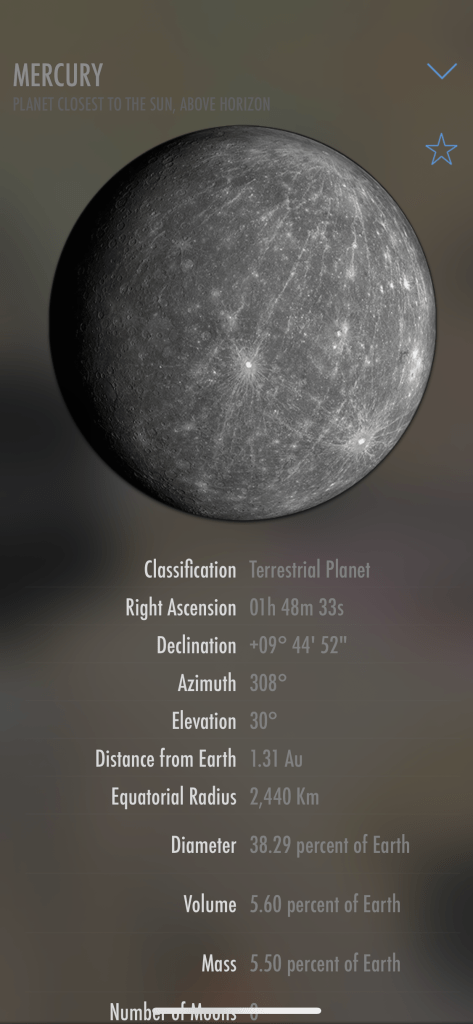
Referring to my first blog ‘Using Quiver Vision in education’, I discussed the use of AR in Quiver Vision created limited creative opportunities for students. However, one technology does not give enough insight to the potential affordances of Augmented reality. Bower et al., (2015) considers if AR can make cognitive processes such as ‘knowledge’ and ‘application’ automatic, it has the possibility to allow for students to focus their working memory on higher order thinking skills such as creative thinking.
Can AR foster creativity?
Another AR system that can be used at school is Qlone 3D Scanner. Qlone is a design platform where students can scan a physical object into the Qlone app, edit the object and then screen the finished object onto any surface. Qlone can be effectively used in across multiple KLAs such as science and technology, and art. Students can work collaboratively and creatively by creating, improving and editing designs. Using Qlone in the classroom promotes skills such as design-thinking and computational thinking skills.
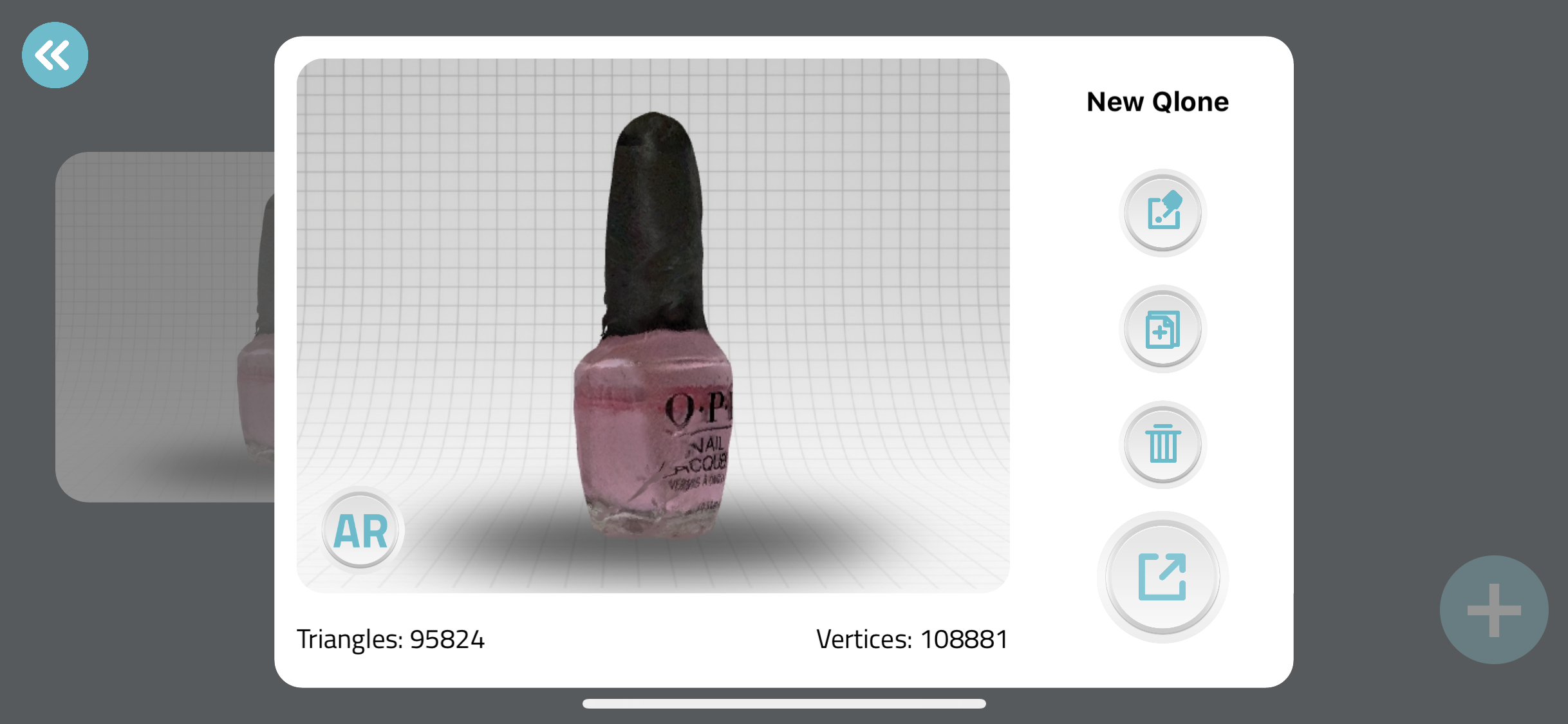
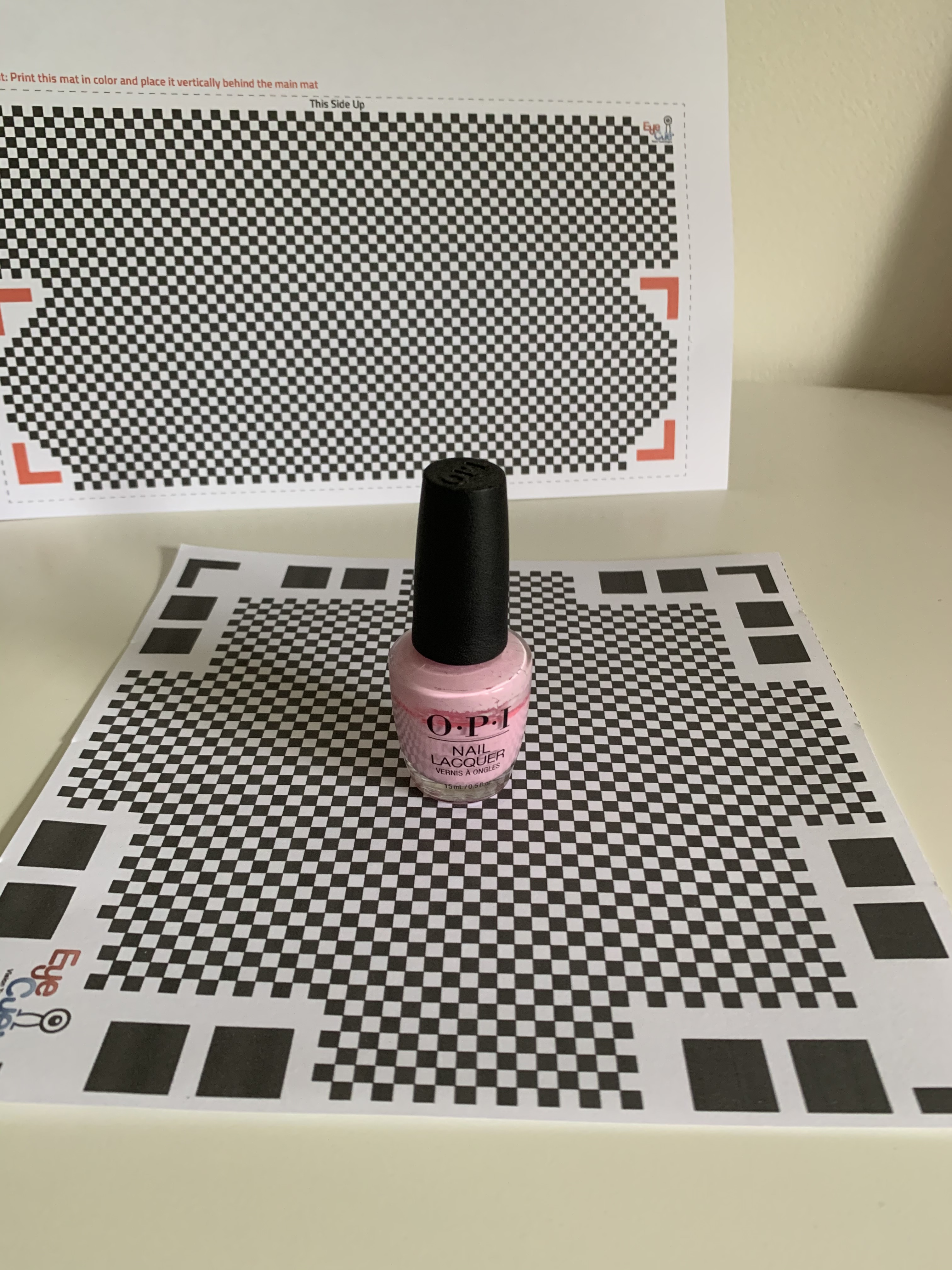
CC by Saskia Moffatt
Qlone and SkyView are both forms of AR which can be implemented into the classroom; however, both are completely very different from one another. AR is very useable and can be implemented into various subjects and lessons for students and allows for various levels of creativity and collaborative work.
References:
Bower, M., Howe, C., McCredie, N., Robinson, A., & Grover, D. (2014). Augmented Reality in education – cases, places and potentials. Educational Media International, 51(1), 1-15. DOI: 10.1080/09523987.2014.889400
Southgate, E. (2018). Immersive virtual reality, children and school education: A literature review for teachers. DICE Report Series Number 6.
 Educ3620 Digital Creativity and Learning